
Dalit History Month: Why the Voices of Dalit Women Demand Attention?
BY FATHIMATHUM SANA
18 April, 2026
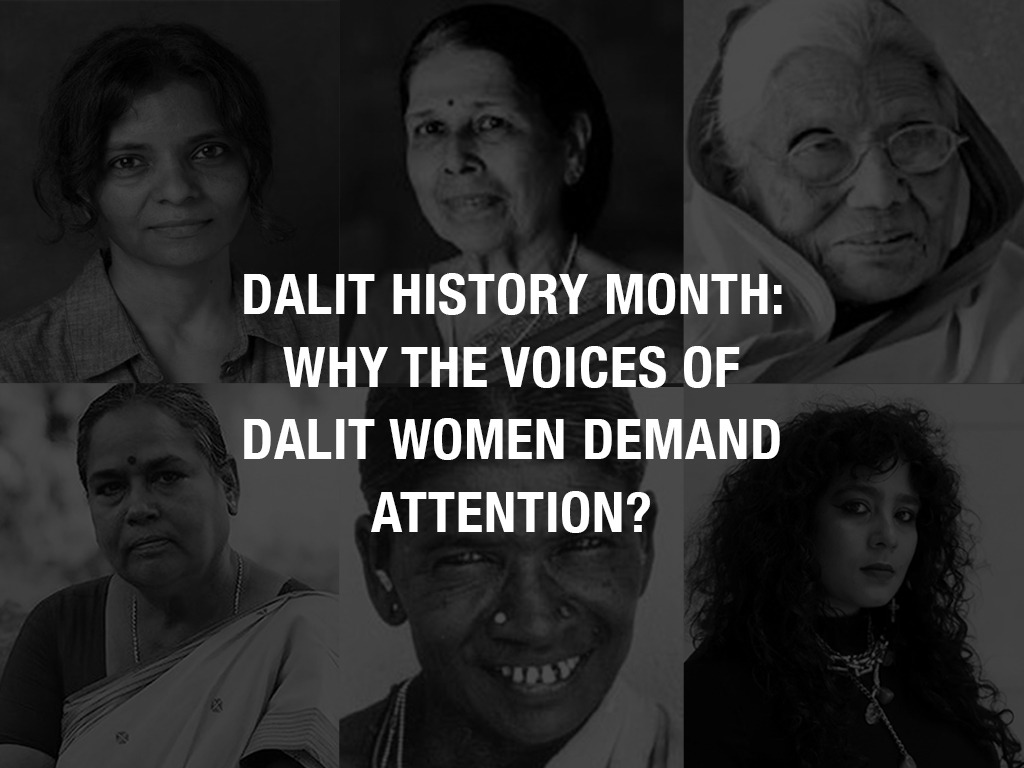
“An individual’s story becomes significant in the exploration of group identity”
– Deo and Zelliot
This is a list of indispensable autobiographies and memoirs from the lives of the real victims of the caste-based oppressions for their Dalit identity. These works serve as an eye-opener to everyone who still dwells in the practice of the caste system by neglecting its atrocities and exploitation; also to them, who deny the existence of the caste system in modern India.
Dalit autobiographies not only represent the journey of an individual but rather bespoke the voice of a social community. Untouchability and discrimination against the Dalits stemmed from the concept of purity. However, for a Dalit woman, it was doubly mediated; being a Dalit, considered impure along with being a woman in the patriarchal culture, was exacerbative. This intersection of caste and gender made their lives more miserable.
So, the Dalit women have always raised their voices for equal rights, and their writing echoed their strong desire to be freed from this intersectional discrimination and oppression. Here are some of the autobiographies/memoirs of Dalit women authors which clearly shows the oppressions caused due to carrying double burden.
1. The Prisons We Broke by Babytai Kamble
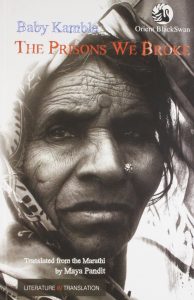
The first autobiography written by a Dalit woman, The Prisons We Broke is a critique of patriarchy in the Dalit community and uses the author’s life as well as the lives of all Mahar women to illustrate the situation of Dalit women. It is about the experimental worlds and inhumane conditions of Dalits, particularly women, who experience the triple junction of caste, gender, and class marginalisation. Along with these themes, the author tries to show the transformation of the Dalit community from a state of enforced subjugation to a position of dignity and social equality. It is more of a sociography than an autobiography that explores the problems of the Mahar community as a whole and provides a picture of their life by focusing on the abolition of untouchability and women’s emancipation.
2. Karukku by Bama
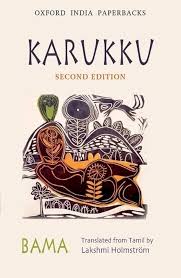
Karukku is a 1992 award-winning autobiography in Tamil by a Christian Dalit woman, translated into English by Lakshmi Holmstrom. The book illustrates the pervasiveness of caste oppression, portraying the life of Bama from childhood to her early adult life as a nun and beyond; further, through her narrative, she details not only her experiences with prejudice in her village but also within the Christian denomination to which she belongs. It also clarifies how her identities as a Dalit, a Christian, and a woman have influenced her experiences of oppression. It is a striking reminder that caste is not a ‘Hindu problem’ alone.
3. Coming Out As Dalit: A Memoir by Yashica Dutt
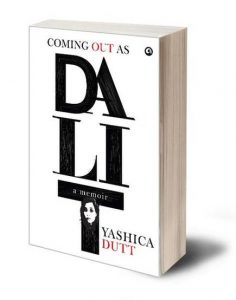
Coming Out As Dalit is a memoir, in which the author is literally coming out as a Dalit by openly declaring to the world and accepting her Dalit identity after years of hiding it. The book moves ahead with the life story of the author, sharing her personal experiences and providing information about the caste system and how it began, the reality of untouchability and manual scavenging in the 21st century. Dutt focuses on her community’s lack of access to high-quality education, Dalit women’s activities and their accomplishments, and the lack of Dalit representation in mainstream media by fusing personal tales with the experiences of other Dalits. It echoes Dalit movements, the role of Ambedkar in those movements and how she has been introduced to Ambedkar and how he impacted her.
4. Ants Among Elephants: An Untouchable Family and the Making of Modern India by Sujatha Gidla
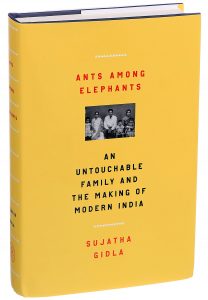
Sujatha Gidla’s Ants Among Elephants is a powerful family memoir set between the 1940s and early 1960s. Through the lives of her mother, Manjula, and uncle, Satyam, the author exposes how caste, gender, religion, and class intersect to shape the persistent marginalisation of Dalit women, even within progressive movements and marginalised communities themselves. The book challenges romanticised narratives of anti-colonial nationalism and post-independence progress, revealing how discrimination and patriarchy endured despite political change. Blending personal memory with political history, the book remains highly relevant for understanding intersectional oppression, the limits of social mobility, and the continuing quest for justice and dignity among Dalit communities.
5. Viramma, life of an untouchable by Viramma
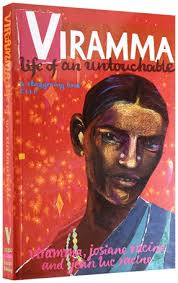
Viramma, life of an untouchable is a testimony written by Josiane and Jean-Luc Racine after listening to Viramma for a long 10 years. Viramma is a born storyteller and folk singer who can sing all kinds of songs sung on different occasions like marriage, death and puberty . She calls herself a “pariah” instead of Dalit because she believes it accurately defines her and her community. The narration was not intended for any social or political agenda, but it underlines the inevitability of considering the deprived in our society. The book reflects her culture, personality, and the history of her community, starting from the cruel agrarian system that she and her ancestors experienced to the changing dynamics of the community as political parties and leaders began to reach rural areas. By reverberating her personal life through different stages and incidents, it gives a glimpse of the rituals, beliefs and traditions of the community. The book reflects how Viramma is identical to every Dalit woman across the country.
6. The Weave of My Life: A Dalit Woman’s Memoirs by Urmila Pawar
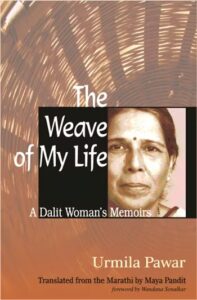
The autobiography of Urmila Pawar, initially released as Aydan, depicts the story of a Dalit woman who tackled the prejudices and emerged as a successful writer. The narrative travels through highlighting the life and discrimination faced by every Dalit woman, their hardships, their life after marriage, their social status and their literacy rate, clarifying these women were considered mere workers and never respected. Overall, the memoir offers an effective and intuitive portrayal of the author’s life while serving as a powerful critique of the fundamental inequalities faced by Dalit women in India, expressing the excitement of a conscious awakening during a period of significant social and political transformation.